
Zero Hunger 2026
Home / Projects / Zero Hunger 2026
Seasonal Humanitarian Programme · 23 Countries

Zero Hunger 2026

One coordinated humanitarian programme, implemented across 23 countries spanning Asia, Africa, the Middle East, Europe, and Latin America, delivering fresh meat to vulnerable households as part of an annual food-security distribution.

Programme Type
Seasonal Humanitarian Programme
Status
Complete
Implementation Year
2026
Countries
23
Rightsholders Reached
281,174
Meat Portions Distributed
65,419
Hot Meals Distributed
4,755 (Bosnia & Herzegovina only)
Achievement Rate
102.48%
Average Household Size
4.23
Why The Programme Was Needed

The Zero Hunger 2026 Programme was designed to enhance food security among vulnerable and crisis-affected populations through the procurement and distribution of livestock as part of an annual food-security distribution. It was implemented in a global context of persistent and rising food insecurity driven by conflict, economic instability, forced displacement, and climate-related shocks. Across many programme locations, vulnerable households continued to experience severe economic hardship, and access to protein-rich foods such as meat remained extremely limited throughout the year due to rising food prices and reduced household purchasing power. The programme provided a culturally appropriate and dignified mechanism for delivering humanitarian assistance, reinforcing values of solidarity, community cohesion, and psychosocial wellbeing alongside improved nutrition.
Programme Coverage

23 countries, one coordinated global response.
Programme Countries
Featured Country
No Implementation
7
Asia
8
Africa
1
Latin America
3
Europe & Balkans
4
Middle East & North Africa
How The Programme Worked
STEP 01
Programme Planning
STEP 02
Community-Based Selection
STEP 03
Livestock Procurement
STEP 04
Beneficiary Verification (KOBO)
STEP 05
Voucher Generation (QR Code)
STEP 06
Slaughter Supervision
STEP 07
Meat Packaging
STEP 08
Distribution & QR Validation
STEP 09
Post-Distribution Monitoring
STEP 10
Final Reporting
ATLAS
A MEAL Department Capability

Every voucher, every scan, every distribution, monitored in real time.

ATLAS, Osman Consulting’s proprietary platform developed by our MEAL Department, was fully integrated throughout the programme to manage beneficiary registration, voucher issuance, and real-time distribution tracking. Beneficiary data was collected using KOBO-based registration tools and used to generate personalised vouchers with unique QR codes. At distribution points, field teams scanned each code to instantly validate beneficiary identity, with data synchronised automatically to the central ATLAS dashboard, giving headquarters live visibility, faster issue identification, and centralised accountability across every participating country.
KOBO Registration
Beneficiary data collected via KOBO-based digital registration tools across all 23 countries.
QR-Code Vouchers
Personalised vouchers with unique QR codes issued to each verified rightsholder.
Live Dashboard
Distribution data synchronised automatically to a central ATLAS dashboard for HQ visibility.
Data Quality & Accountability
Real-time verification reduced duplication and inclusion errors, strengthening accountability.
ATLAS: Live Distribution Dashboard
Distributed Portions
65,419
Beneficiaries Reached
281,174
Countries
23
Progress
102.48%
Top Distribution Countries
Bangladesh4,080
Jordan2,409
Kenya2,580
Indonesia2,267
India2,175
✓Verified
Duplicates 3,690
Invalid Entries 118
Explore Live ATLAS Dashboard
Programme Impact
281,174
Rightsholders Reached
65,419
Meat Portions Distributed
23
Countries
102.48%
Achievement Rate
Lessons Learned
Integrating digital registration, voucher management, and real-time monitoring systems strengthened accountability and oversight across multiple countries.
The project highlighted the importance of maintaining flexible contingency measures for contexts affected by security constraints, connectivity disruptions, adverse weather conditions, or changes in implementation arrangements.
Completing beneficiary registration and partner onboarding processes sufficiently in advance of distributions is critical. Delays can limit the ability to use digital verification systems as intended.
Implementation in remote and insecure environments demonstrated the need for strong offline functionality and adaptable operational procedures.
Balancing standardised systems with operational flexibility, close coordination with implementing partners, and proactive contingency planning were critical to ensuring assistance reached vulnerable populations in a timely and dignified manner.
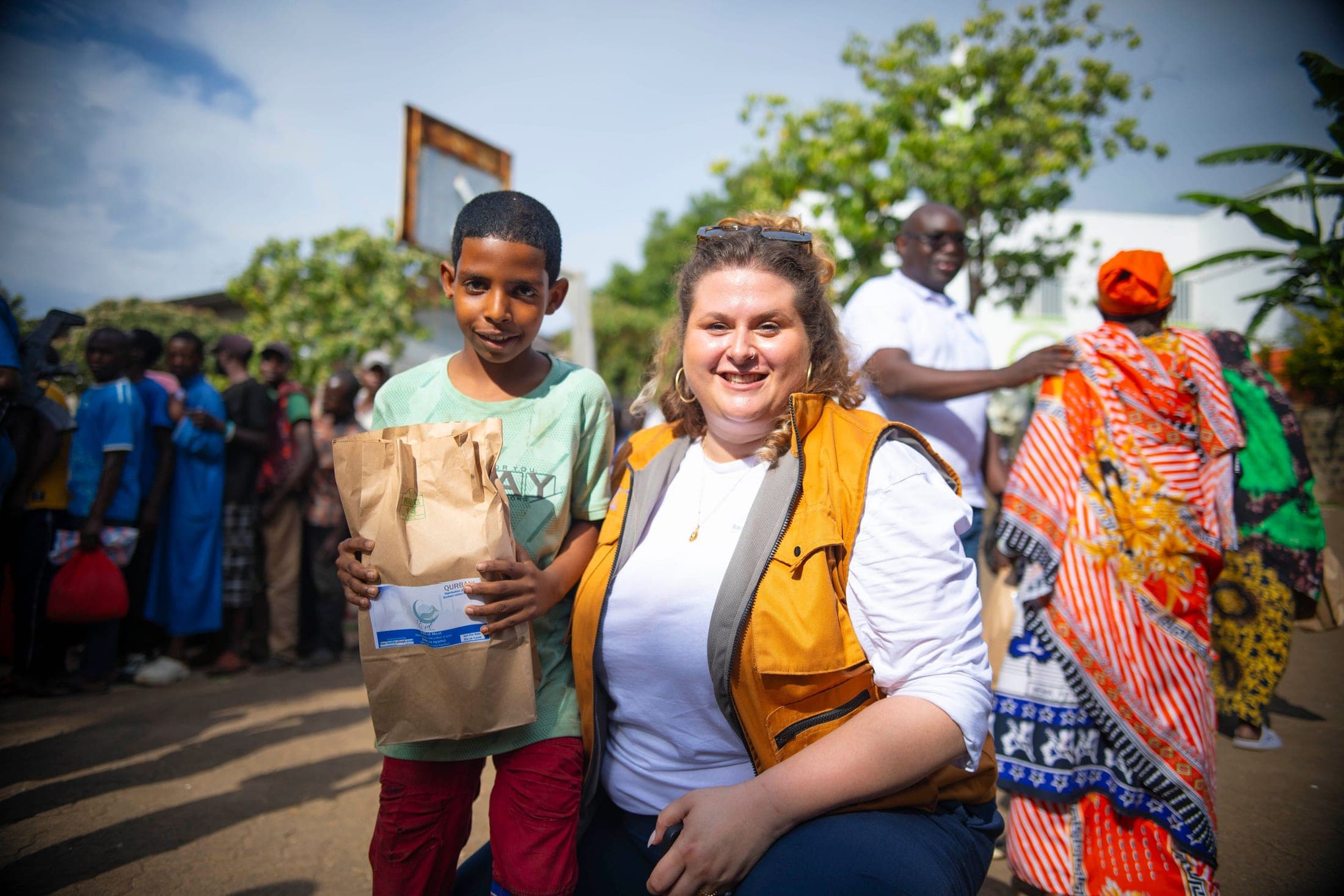
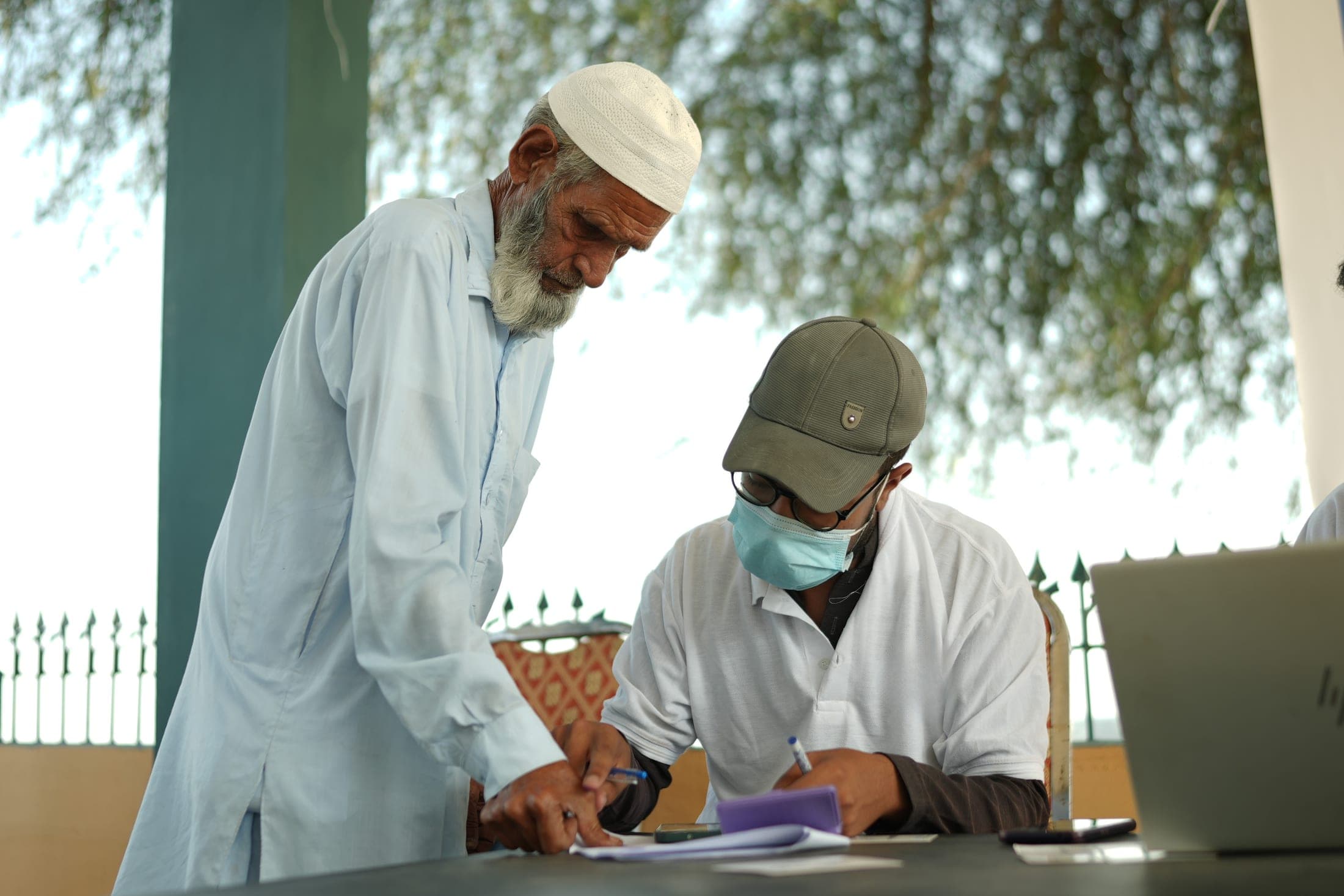
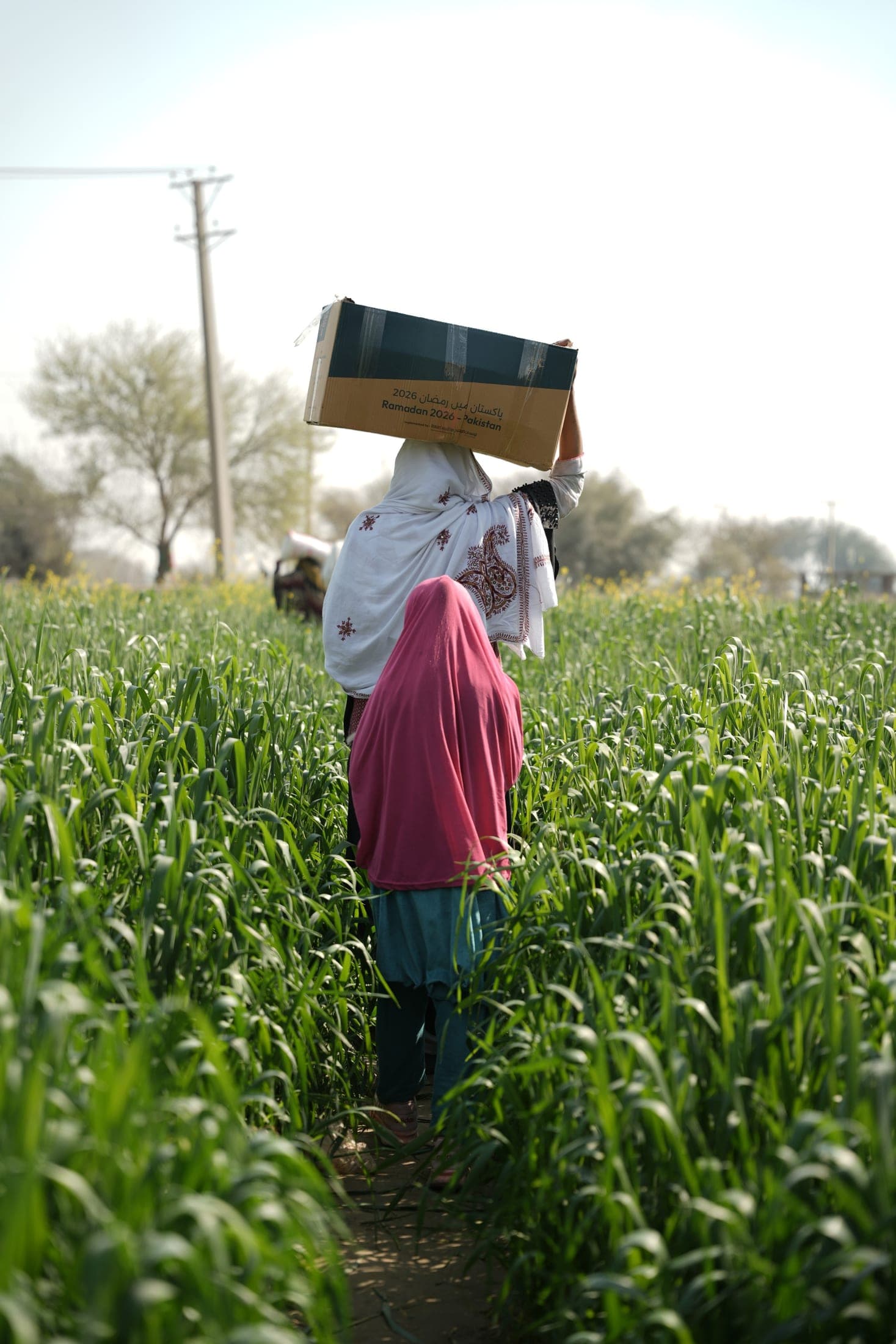
Global Photo Story

The Zero Hunger 2026 Programme reflects Osman Consulting’s commitment to delivering accountable, high-quality humanitarian assistance across diverse operational contexts. By combining local partnerships, robust coordination, and innovative technology, the programme helped families in 23 countries access nutritious food with dignity.