Philippines Earthquake Emergency Response
Following the magnitude 7.8 earthquake in Sarangani Province, Osman Consulting delivered a one-month emergency response providing food, hygiene supplies, emergency shelter and essential household items to 1,000 of the most vulnerable displaced and affected families.
- Country
- Philippines
- Main Location
- General Santos City and affected communities in Sarangani Province
- Project Period
- 01 July – 31 July 2026
Emergency Context
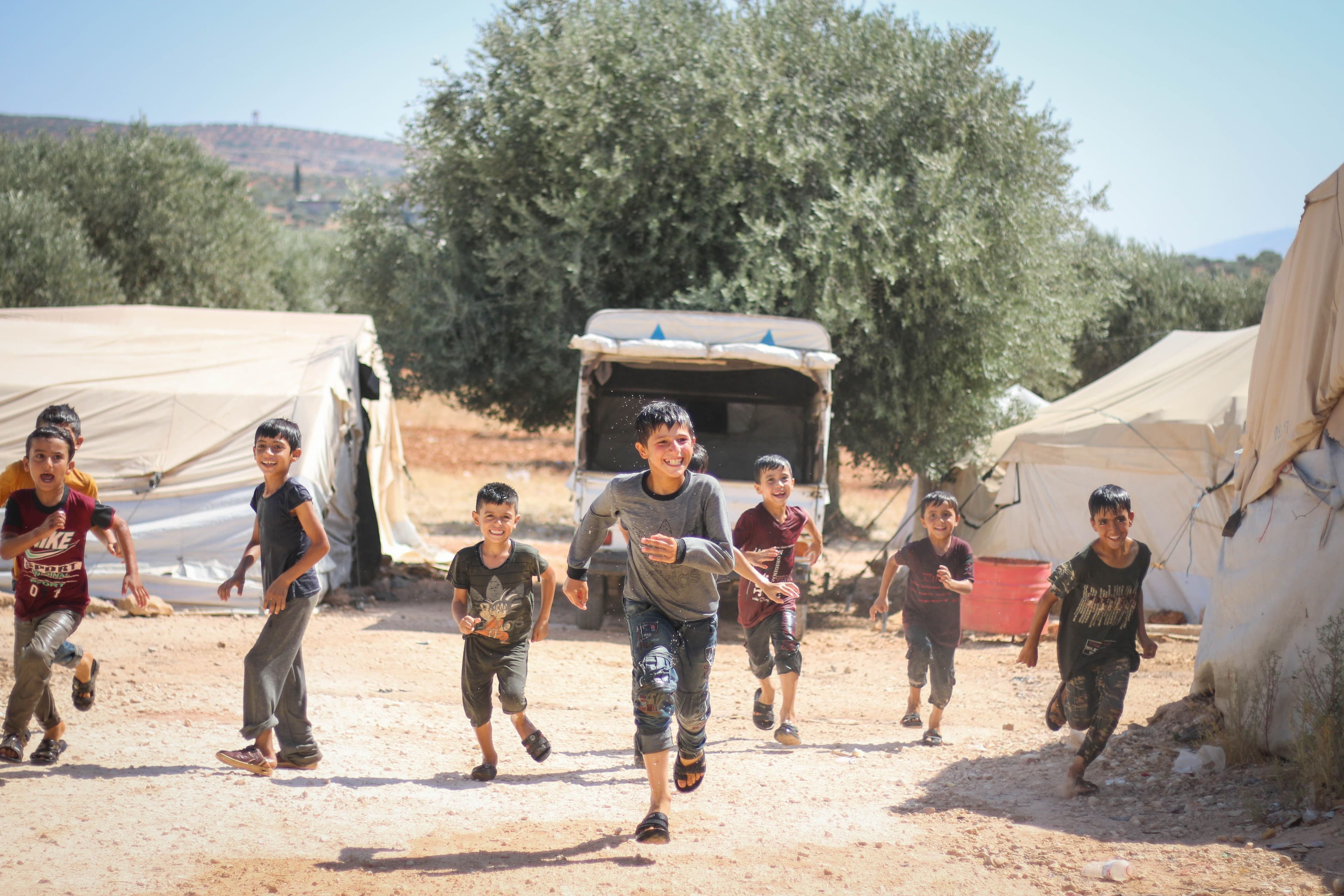
A magnitude 7.8 earthquake struck Sarangani Province, Philippines, causing widespread damage to homes, community facilities, infrastructure and sources of livelihood. Many families lost access to basic necessities and were relying on evacuation centres and temporary shelters.
Affected households faced food insecurity, a lack of safe shelter, poor sanitation, heightened health and protection risks, and the loss of household assets and livelihoods. Evacuation centres became overcrowded, and women, children, older people, persons with disabilities and families who had lost their livelihoods were identified as priority groups.

- Emergency food assistance
- Personal hygiene supplies
- Temporary shelter support
- Essential household items
Our Response
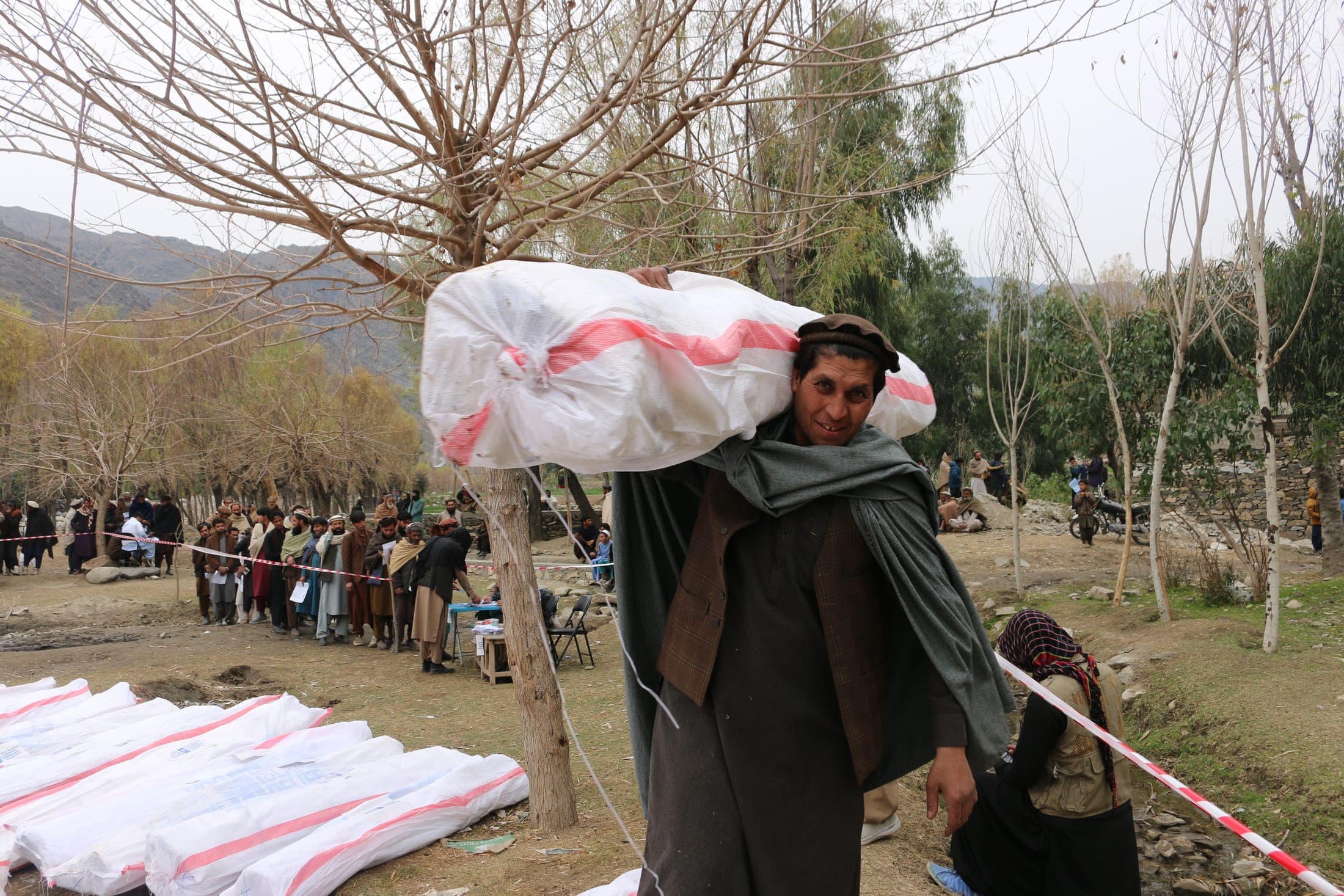
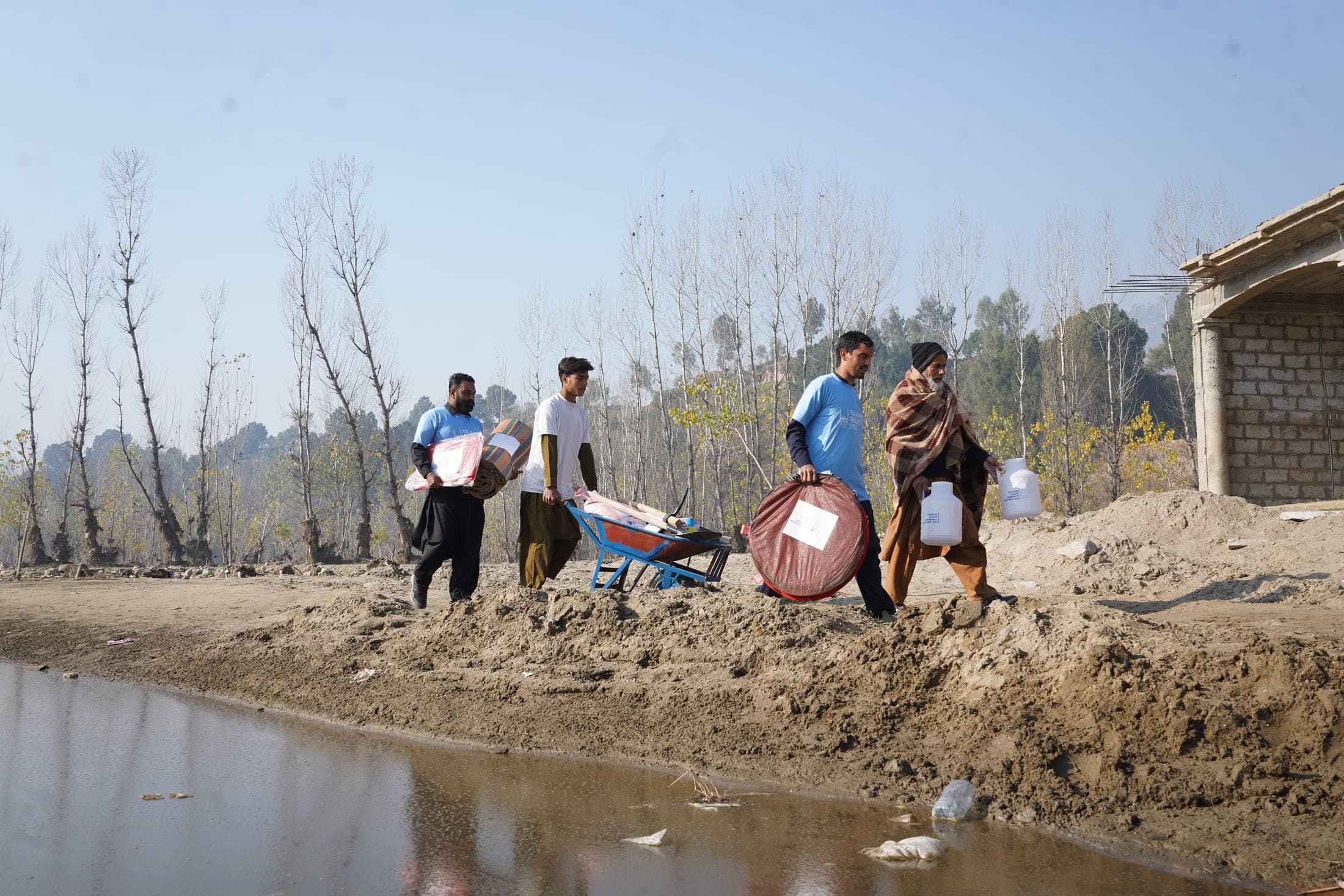
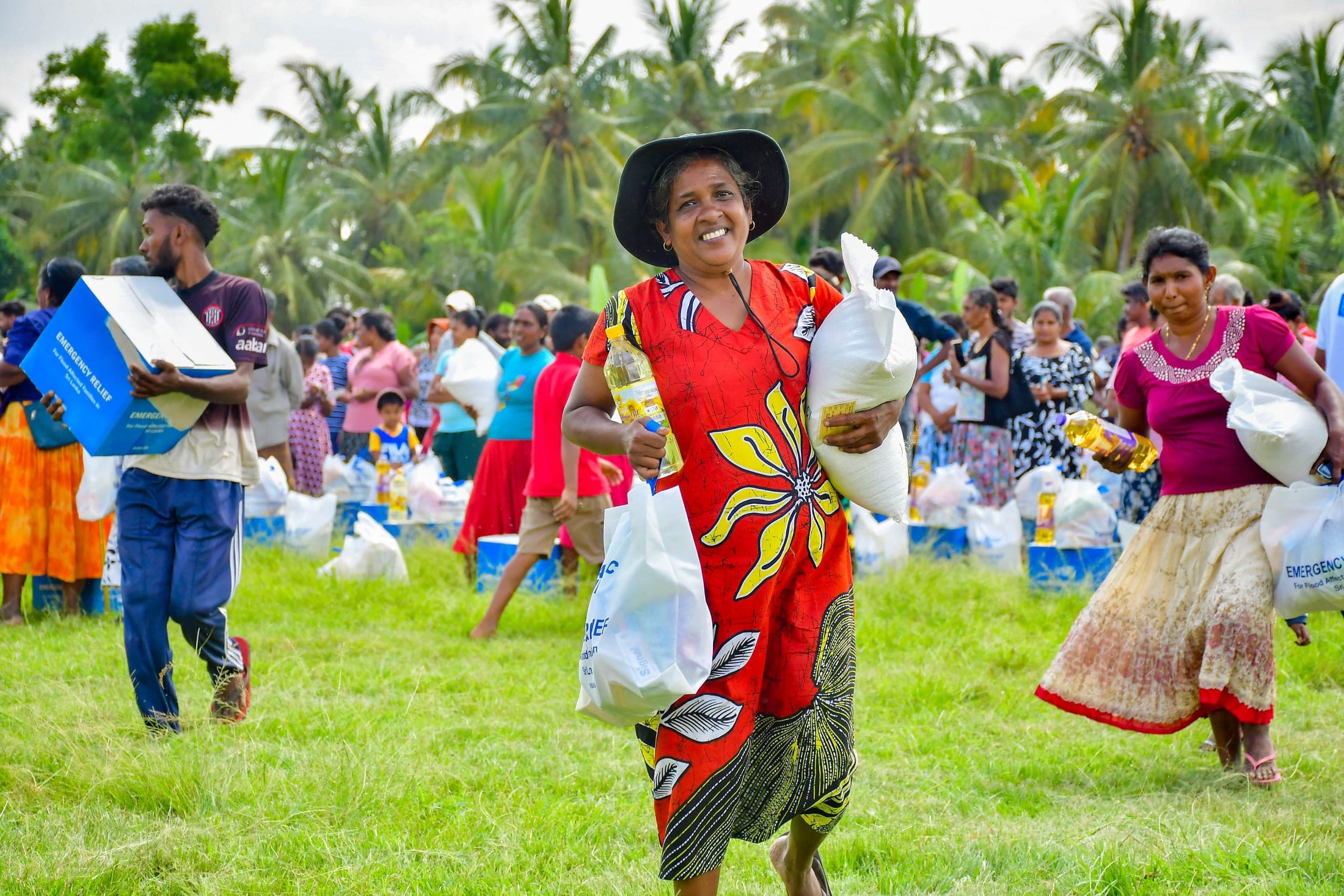
Working with local partner HFSED, local authorities and barangay officials, Osman Consulting delivered an integrated, one-month multi-sector response for 1,000 vulnerable families. All 1,000 households received food, hygiene support and essential household items. The 440 households identified as displaced, severely damaged or living in unsafe conditions also received emergency shelter and non-food items.
Food Assistance
Food relief packages to support household food needs for approximately one month.
- Rice, sugar, salt, cooking oil, beans, instant noodles, macaroni and sardines
WASH & Hygiene
Hygiene kits and jerry cans to improve hygiene practices and household water storage capacity.
Shelter & NFIs
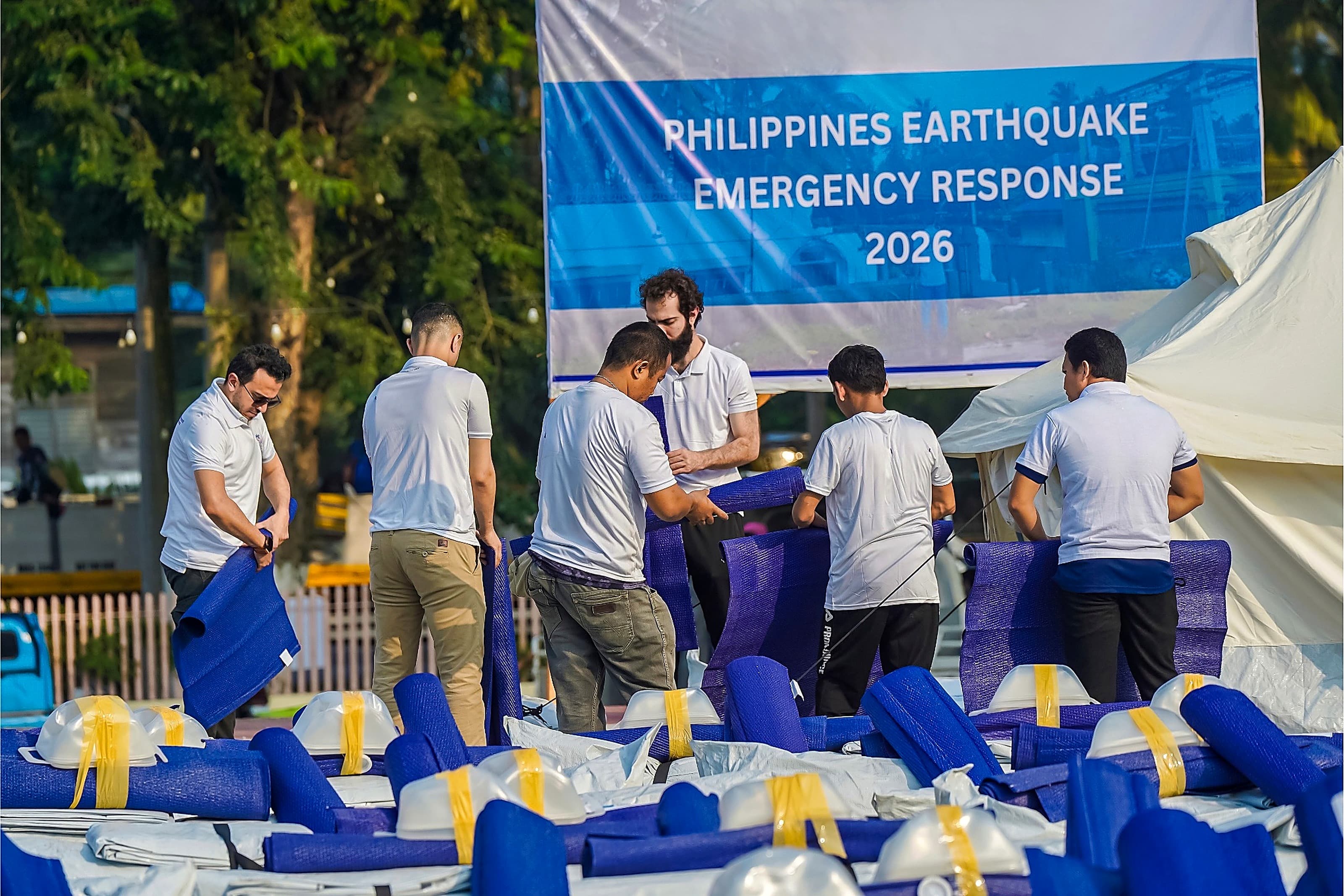
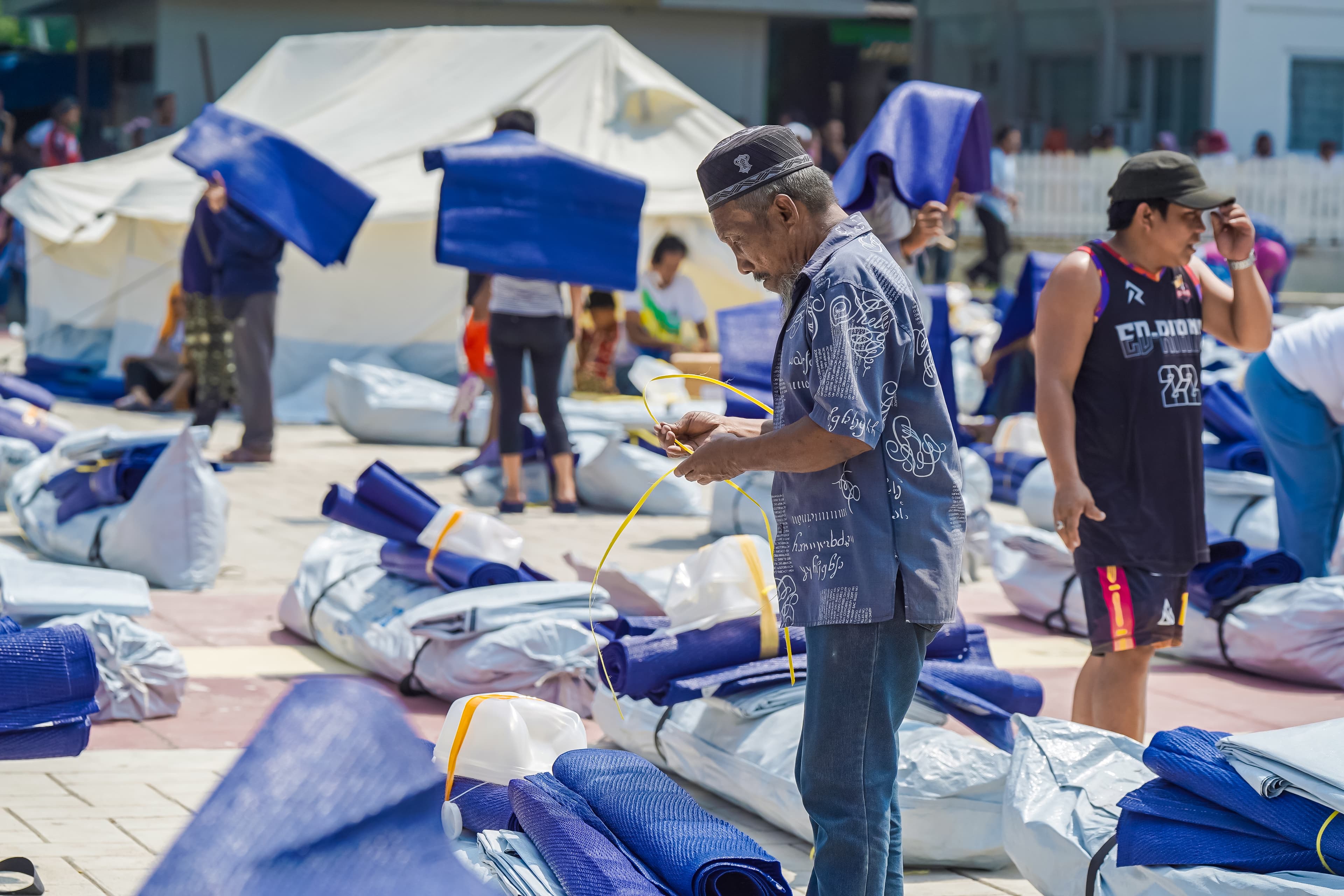
Emergency family tents, community tents, eco tarpaulins and sleeping mats for the 440 households that were displaced, had severely damaged homes or were living in unsafe conditions.
Essential Household Support
Essential kitchen tools and household items to help families prepare daily meals and replace items lost in the disaster.
Protection & Inclusion
- Accessible registration and distribution sites
- Priority lanes for older people, pregnant women and persons with disabilities
- Mobile outreach or home-based assistance for those unable to travel
- Procedures that respect dignity, confidentiality and non-discrimination
Who We Reached
- Displaced families living in evacuation centres or temporary shelters
- Households whose homes were damaged or destroyed by the earthquake
- Low-income families with limited access to basic services
- Households that lost their primary source of income due to the disaster
- Families with totally or partially damaged homes
- Households lacking access to food, healthcare and essential services
- Female-headed households, widows and single-parent families
- Households with children, including orphaned or unaccompanied children
- Older people without adequate family support
- Persons with disabilities and people with chronic illnesses
- Pregnant and lactating women
- Communities in remote or hard-to-reach areas
Delivery & Implementation
- 1
Coordination & Mobilisation
Coordination with the local partner, local authorities, barangay officials, community leaders and humanitarian logistics actors, supported by an Osman Consulting staff member deployed from the UK.
- 2
Needs Assessment
Rapid community-based assessments and consultations with local authorities, community leaders and affected households.
- 3
Identification & Registration
Household registration using standard forms, recording household composition, displacement status, housing damage, urgent needs and vulnerability indicators.
- 4
Verification & Validation
Household-level checks, review of LGU and barangay records, community validation, and screening to remove duplicate registrations.
- 5
Procurement & Logistics
Local procurement of food and hygiene items. Shelter and NFI stock from the UNHRD Kuala Lumpur hub, cleared through General Santos Port and transported to target communities.
- 6
Distribution
A one-time distribution of all assistance to targeted households over a two-day period.
- 7
Monitoring
On-site distribution monitoring with local partners and community representatives, followed by post-distribution monitoring.
- 8
Feedback & Accountability
Complaints and feedback channels through community help desks, designated focal persons, community meetings and information boards.
- 9
Reporting
Project reporting supported by field documentation.
What Was Delivered
Outcomes
Earthquake-affected households had improved access to essential food supplies, helping to reduce immediate hunger and support short-term household food security.
Vulnerable households had improved access to hygiene items and essential household supplies, contributing to better health, dignity and safer living conditions in temporary shelters.
Displaced and vulnerable families had improved access to temporary shelter and basic shelter materials, reducing exposure to unsafe living conditions.
Accessible distribution arrangements, feedback mechanisms and monitoring supported protection-sensitive and accountable delivery.
Monitoring, Accountability & Quality
Beneficiary registration
Standard household registration forms recording displacement status, housing damage and vulnerability indicators.
Verification & duplicate screening
Cross-checks against LGU and barangay records and identification documents where available, with duplicate registrations screened and removed.
Distribution monitoring
On-site monitoring alongside local partners and community representatives.
Post-distribution monitoring
Follow-up to assess the reach, quality and effectiveness of assistance.
Complaints & appeals
Help desks, focal persons, community meetings and information boards covering selection, registration, distribution, assistance quality and staff conduct.
Protection & safeguarding
Safeguarding and PSEA training for staff, confidential complaints mechanisms and safe, inclusive distributions.
Data protection
Information collected with informed consent, used only for humanitarian purposes, stored securely and accessed only by authorised personnel.
Documentation & reporting
Field documentation and donor reporting.